Lab & test facilities
Where Blue Giant pressure-tests dock assumptions
Facilities emphasize measurable lip travel, restraint engagement, control sequence timing and lift-table duty cycles under documented trailer scenarios.
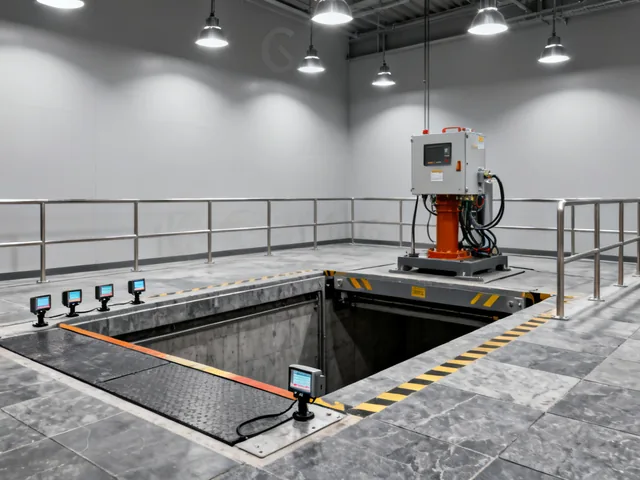
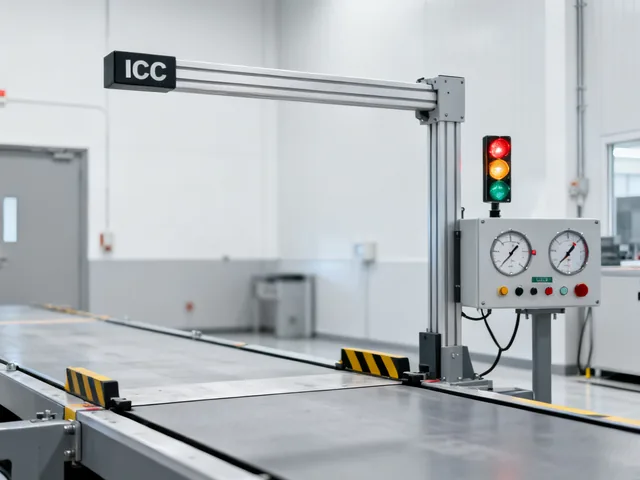
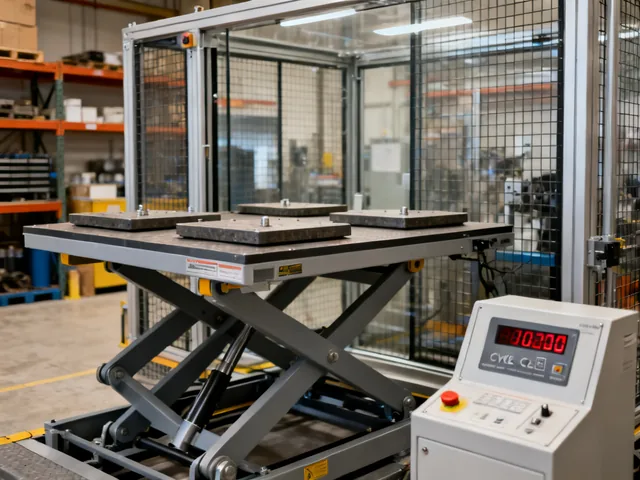
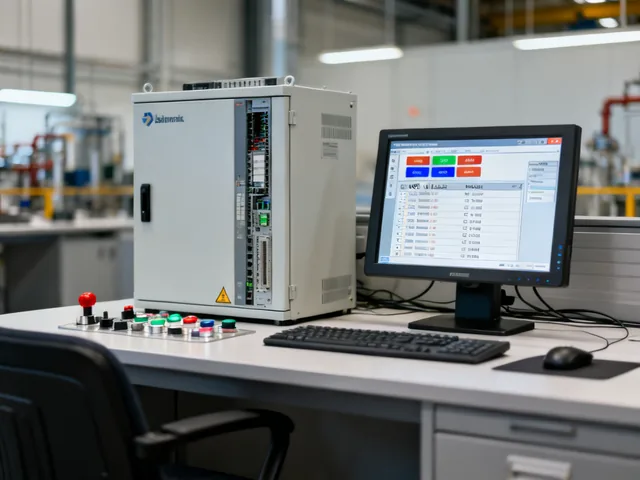
Blue Giant treats dock and warehouse lifting decisions as evidence problems: throughput claims, density trade-offs, interface ownership and acceptance criteria must survive technical review before capital release.
Throughput, density, interfaces and acceptance criteria translated into reviewable engineering requirements—not slogans detached from trailer geometry or duty cycle.
Since a planning-range founding year of 1972 in brand configuration, Blue Giant has focused on dock levelers, restraints, lift tables and related loading interfaces for distribution and manufacturing warehouses. Credential figures such as experience years, employee counts and countries served remain generated-range planning values and are not independently verified public claims.
Facilities emphasize measurable lip travel, restraint engagement, control sequence timing and lift-table duty cycles under documented trailer scenarios.
Why pick rate and dock openings per hour must publish SKU mix, buffering and exception recovery assumptions.
How staging lifts and dock geometry interact with fire access and maintenance aisles after storage densification.
A responsibility matrix pattern for dock signals so FAT/SAT does not invent owners on commissioning night.
Functional safety language for leveler-restraint-door sequences without claiming unverified certificate logos.
Publications describe methods and dispute framing. They are not substitutes for project-specific risk assessment or third-party certificates.
Share flow data and we will outline which evidence packs apply to your dock and lifting scope.
Contact engineering